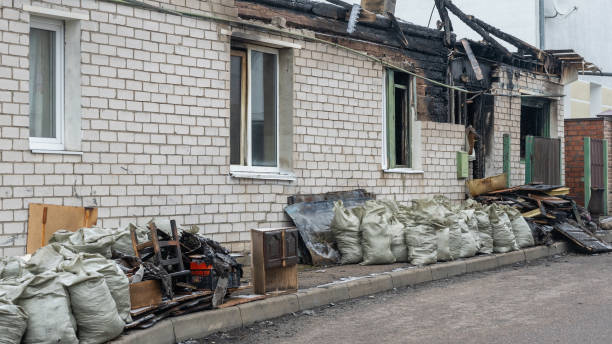
Contents Triage and Restoration
Most homeowners in Bokeelia assume everything is gone. A professional triage by material category changes what that means. Protect Fire Tail recovers far more than you expect, and documents every item that cannot be saved so your insurance claim reflects the true total.
We evaluate every item by material category before any decision is made. No blanket write-offs. Every piece gets a professional assessment before it is classified as a total loss.
Items that an untrained eye calls destroyed are frequently restorable. Our triage process identifies restorability thresholds that a fast pack-out or an adjuster's walk-through will miss entirely.
Electronics, textiles, paper, metals, and hard goods each respond differently to fire and smoke. We use the right restoration method for each category rather than a single process applied to everything.
A professionally documented contents inventory with replacement cost values typically produces a substantially better insurance settlement than a list the homeowner puts together from memory.
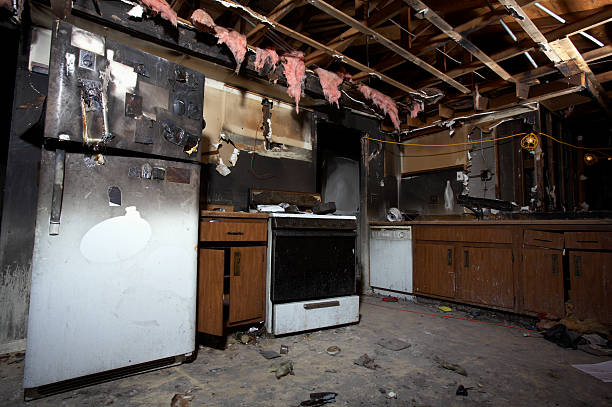
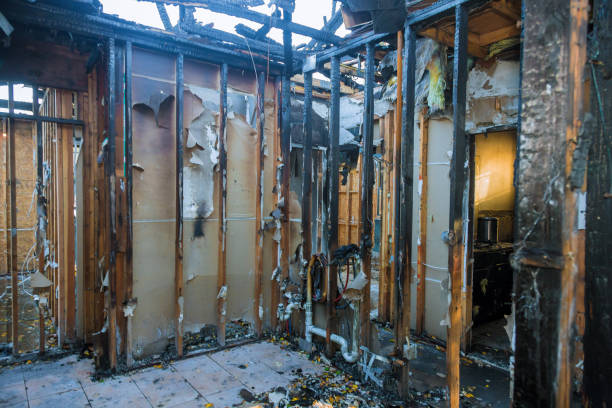
The most common thing homeowners say after a fire loss is some version of the same sentence: "We thought everything was gone." It is completely understandable. Standing in a smoke-filled home surrounded by visible fire damage, with everything covered in soot and the smell of char in every room, total loss feels like the only plausible reality. The truth is considerably more complicated, and considerably more hopeful, than that first impression suggests.
Professional content restoration begins with a process called salvageability triage, which is a structured evaluation of every item in the affected space by material category, degree of exposure, and the practical cost-benefit of restoration versus replacement under the terms of your specific insurance policy. That category-first evaluation is the single most important factor in determining what actually gets saved. Different materials absorb and respond to fire and smoke damage in fundamentally different ways, and the correct restoration method for each is entirely different.
Electronics represent the category where early professional intervention matters most. The common instinct after fire and smoke exposure is to power on a device to see whether it still functions. This is the worst possible action to take. Soot and smoke residue contain electrically conductive particles. Powering on a circuit board that has absorbed that residue can cause shorts, corrosion acceleration, and permanent failure in components that would otherwise be fully recoverable. Electronics that have experienced smoke exposure but have not been powered on can very often be cleaned through professional ultrasonic and chemical processes that remove soot and oxidation from the board. This is especially true of devices that were not in the direct fire zone but experienced smoke exposure throughout the structure. The window for this intervention is not long, which is why the timing of content triage matters as much as the method.
Textiles, clothing, and soft goods are among the most commonly recovered categories. Modern ozone treatment chambers and ultrasonic cleaning equipment can remove smoke odor and soot residue from fabrics that appear permanently damaged to the naked eye. Heavily soiled garments and soft furnishings that smell strongly of smoke can frequently be returned to a wearable or usable condition through commercial-grade treatment processes that are not available in residential cleaning. The practical limitation is direct flame contact and heat saturation, which changes the material structure itself rather than just depositing residue on the surface.
Paper, photographs, and documents occupy a special category because they are frequently irreplaceable in ways that furniture and electronics are not. Recent photographs on standard photo paper respond better to professional drying techniques than older prints. Documents that experienced water damage from fire suppression can be professionally freeze-dried in ways that prevent mold formation and preserve the text. Charred documents are evaluated for structural integrity, and portions that retain readable text can be digitally scanned even when the physical document is too fragile to handle normally. What survives is often more than families expect.
Hard goods, including furniture, fixtures, cabinetry, and decorative items, are evaluated on a per-item basis for surface-level soot and smoke versus structural damage. Items that smell of smoke but retain their structural integrity can typically be cleaned through professional chemical and dry-sponge processes that restore both appearance and odor to an acceptable level.
The insurance implication of a thorough, professional contents evaluation deserves particular emphasis for homeowners in Bokeelia, Bokeelia, FL. When a homeowner submits a self-generated list of contents, that list typically reflects what they remember owning and what they assume was destroyed. It does not typically include replacement cost values, condition documentation, or the detailed categorization that an adjuster needs to process the claim efficiently and at the correct value. A professional contents inventory prepared by a restoration specialist includes item-level condition assessment, replacement cost documentation, and the clear distinction between items that are total losses and items that will be restored, which changes the arithmetic of the claim significantly. The net result in most cases is a contents settlement that reflects what was actually in the home, at current replacement costs, rather than what the homeowner could recall under stress after a traumatic event.
At Protect Fire Tail, our content restoration work in Bokeelia starts with one question: what can actually be saved? The answer is almost always more than you think, and it is always better to find out through a professional evaluation than to assume the worst.
Board-level ultrasonic cleaning effective if device has not been powered on post-exposure. Act within 24-48 hours for best results.
Ozone treatment and commercial ultrasonic cleaning remove smoke odor and soot from fabric with high recovery rates on indirect-exposure items.
Professional freeze-drying, controlled drying, and digital scanning recover content from water and smoke-damaged paper items thought to be unrecoverable.
Six specialized restoration services covering every material category in a typical residential fire loss in Bokeelia, Bokeelia, FL.
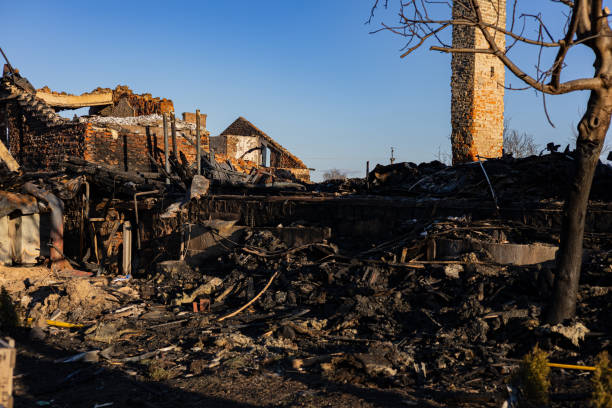
Service 01
A structured, category-by-category evaluation of all contents in the affected space. Every item is classified as salvageable, requiring restoration, or a confirmed total loss, with condition documentation supporting each determination.
Service 02
Immediate assessment of smoke-exposed electronics before power-on, followed by professional board-level cleaning for recoverable devices. Includes condition documentation for insurance purposes on items classified as total losses.
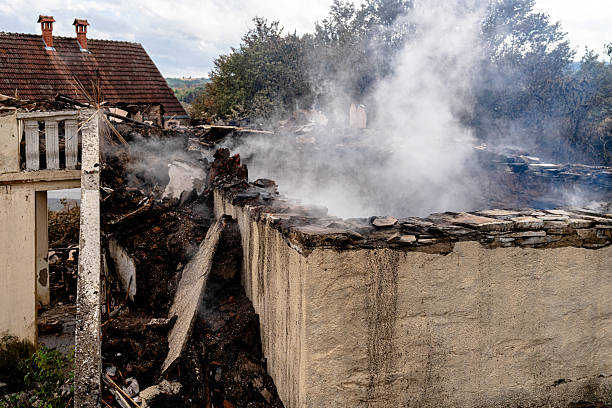
Service 03
Professional freeze-drying, controlled drying, and digital scanning for fire and water-damaged paper items. We recover content from photographs, legal documents, financial records, and personal papers that appear unsalvageable.
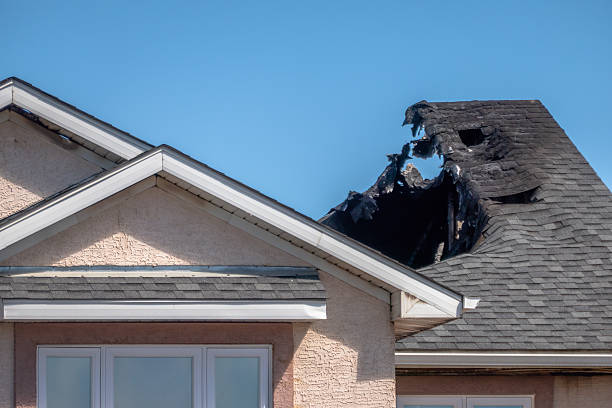
Service 04
Commercial ozone treatment, ultrasonic cleaning, and specialized laundering for smoke-affected clothing, bedding, curtains, and soft furnishings. Higher recovery rates than standard dry cleaning processes.
Service 05
Professional chemical and dry-sponge soot removal for cabinetry, furniture, decorative items, and structural fixtures. We distinguish between surface contamination that is removable and structural damage requiring replacement.
Service 06
A professionally compiled contents inventory with current replacement cost values, item-level condition documentation, and a clear restoration versus total-loss breakdown designed for insurance claims processing in Bokeelia, FL.
Four stages from initial triage to final delivery, designed to recover as much as possible and document what cannot be saved.
We walk the affected space and evaluate contents category by category: electronics, textiles, paper, hard goods, and structural items. Every item is assessed before the pack-out begins, not after.
Every item is photographed, condition-noted, and catalogued before leaving the property. This creates the baseline inventory that your insurance carrier will use to process your contents claim.
Each category is treated using the appropriate method: ultrasonic cleaning for electronics and hard goods, ozone treatment and commercial laundering for textiles, freeze-drying and scanning for documents and photographs.
You receive restored items with a full return inventory, plus a documented report on total-loss items with replacement cost values ready for your insurance adjuster in Bokeelia.
Three real accounts from homeowners in Bokeelia and the surrounding area who called Protect Fire Tail after fire and smoke damage.
We told them the laptop and the old desktop were gone. They came back two weeks later fully working. I genuinely do not understand what they did, but the tech explained it and apparently the soot had not shorted anything yet because we had not turned them on. That one thing saved us hundreds of dollars and more importantly my husband's work files were on there.
My grandmother's photo albums were in a closet that took water from the fire hoses. I was told to assume they were gone. These people got about 90 percent of the photos back to a viewable state and scanned everything digitally. I still get emotional thinking about it. Worth every penny and then some.
The contents inventory they put together was so much more detailed than what I had submitted to my adjuster. My adjuster actually asked me where I got it. The final settlement was significantly higher than my original claim. I did not know professional content restoration included this kind of documentation work.
What homeowners in Bokeelia, Bokeelia, FL ask most about the content restoration process.
Salvageability is determined by material category first, then degree of exposure, then cost-benefit. For each category (electronics, textiles, paper, hard goods), there are known restoration thresholds. Electronics that have not been powered on after smoke exposure have a high recovery rate; those that have been powered on are much lower. Textiles with surface soot and smoke odor but no direct flame contact recover at a high rate. Paper items with water saturation that have been rapidly dried or freeze-dried recover at moderate rates. Items beyond the restorability threshold for their category are classified as confirmed total losses with full replacement cost documentation for your insurance claim.
Often yes, if they have not been powered on after exposure. The critical factor is whether the device was activated while soot and smoke residue were present on the circuit board. Soot contains conductive particles that cause shorts when electricity is applied, and it accelerates corrosion. Devices that have not been powered on can frequently be cleaned through professional ultrasonic processes that remove residue from the board at the component level. This window closes over time as residue reacts with humidity and metal surfaces, so prompt professional evaluation is the single most important factor. Devices exposed to direct flame and heat exceeding the operating temperature of the circuit components are generally not recoverable regardless of activation status.
A professionally compiled contents inventory typically produces a larger and more accurately processed insurance claim than a homeowner-generated list for several reasons. First, professionals document items the homeowner forgets under stress. Second, replacement cost values are researched and documented for each item rather than estimated. Third, the distinction between items that are total losses and items being restored is made clear, which matters because your policy may cover restoration costs differently than replacement costs. The net effect in most cases is a more complete settlement. Your adjuster is also more likely to process a professionally formatted, item-level inventory efficiently than a handwritten or informal list.
The recoverability of documents and photographs depends primarily on the combination of heat, smoke, and water exposure each item experienced. Documents that experienced water from suppression but no direct heat can often be professionally dried or freeze-dried with most of the text intact. Photos on modern paper stock respond well to controlled drying. Older photos and prints vary considerably by paper and chemical type. Charred documents that retain structural integrity are evaluated for readable text and digitally scanned where possible. The most important factor is timing: items that have already developed mold from water saturation, or that have been compressed together while wet, are more difficult to treat. Professional assessment on-site before pack-out is the best way to determine what your specific documents and photos can yield.
Timelines vary significantly based on the scale of the fire, the number and types of items affected, and the specific restoration processes required. A typical residential pack-out and initial triage takes one to two days on-site. Electronics cleaning and testing generally takes one to two weeks per device batch. Textile and soft goods treatment runs seven to fourteen days for a standard household wardrobe and soft furnishings. Document and photo recovery varies from a few days for drying-only cases to several weeks when freeze-drying, scanning, and digital recovery are involved. A full contents restoration package with insurance documentation typically runs three to six weeks from initial pack-out to final return delivery. Your restoration specialist can provide a timeline estimate after the on-site triage is complete.
Homeowners in Bokeelia, Bokeelia, FL consistently recover more than they expect when a professional triage is the first step. Call Protect Fire Tail and start with a real assessment.
Call +1-866-484-1409 Now